Who genuinely qualifies
Genuinely two-footed footballers are rare enough to name in one breath. Ousmane Dembélé is the strongest case — 21 career goals with his left, 24 with his right[2]. Santi Cazorla and Andreas Brehme are the other two. Kevin De Bruyne, the name everyone searches, does not qualify.
Start with the word, because English gets this one right and most languages don't. Ambidextrous comes from the Latin dexter, meaning right hand — it is a word about hands. The term for feet is two-footed, or ambipedal if you want the clinical version.
Footedness is genuinely less lopsided than handedness, but it is still a preference, and people with no dominant side at all are a handful in every hundred[1]. On a pitch that shows up clearly, because every touch gets logged.
So be suspicious of any list with twenty names on it. Four hold up.
The De Bruyne question
Take the most-searched name first, because the honest answer is no.
De Bruyne is a natural right-footer with a left foot that makes no sense. On 11 May 2022 against Wolves he scored four. The first three — an entire first-half hat-trick — came off his weaker left foot, and only the fourth came off his right[3].
A hat-trick with the wrong foot does not make you two-footed. It makes you a right-footer who no longer has a predictable side — which, from where the defender is standing, is the same thing.
And that distinction matters less than it sounds. Watch the pitch and you cannot tell. Count the goals and you can.
The better question isn't "is he two-footed?"
It's how many options does the defender have to cover? A one-footed winger offers two: cut inside and shoot, or reach the byline and cross. A two-footed one offers four, and none of them can be closed early.
Which is why a trained weak foot is worth, in match terms, roughly what real two-footedness is worth.
Dembélé, the closest case
If two-footedness exists in football, it looks like Dembélé.
Barcelona did the arithmetic: 22 goals in a Barça shirt, 12 left-footed and 10 right-footed. Across his whole career to that point, 21 left, 24 right and one header out of 46[2].
Sit with those numbers a moment. That is not a strong foot and a spare — it is a coin flip, sustained across an entire career. In a sport where most players run eight-to-two, 21–24 is a genuine outlier.
Two penalties, two feet
The cleanest proof is decades old. Andreas Brehme, West Germany, and the only player to score World Cup penalties with either foot.
Mexico 1986, quarter-final shootout: second up, instep drive, left foot. The 1990 final against Argentina, a penalty seven minutes from time, the goal that won the World Cup: inside of the right[4].
Same player, same act, different foot, on the two largest stages the sport has.
"I'm more accurate with my left foot but I can shoot harder with my right."
His words. That is not someone describing two identical feet — it is someone describing two usable ones, who knows exactly what each is for. Which is a far more reachable target, and a far more useful one.
A foot you build
One thing connects every name here, and it is the part the listicles leave out: none of them were born this way.
Cazorla always preferred his right. He hurt his right ankle, started leaning on his left, and then spent years staying behind half an hour after training to kick a ball against a wall with his weaker foot[5]. The full story, along with the names that fall apart under checking, is in famous ambidextrous people.
A wall. Half an hour. Repeated for years.
What separates this list is not talent. It is tolerance for boredom, held longer than everyone else held it. And if you want the terminology argument in full — why ambidextrous is the wrong word for feet — it's in ambidextrous feet.
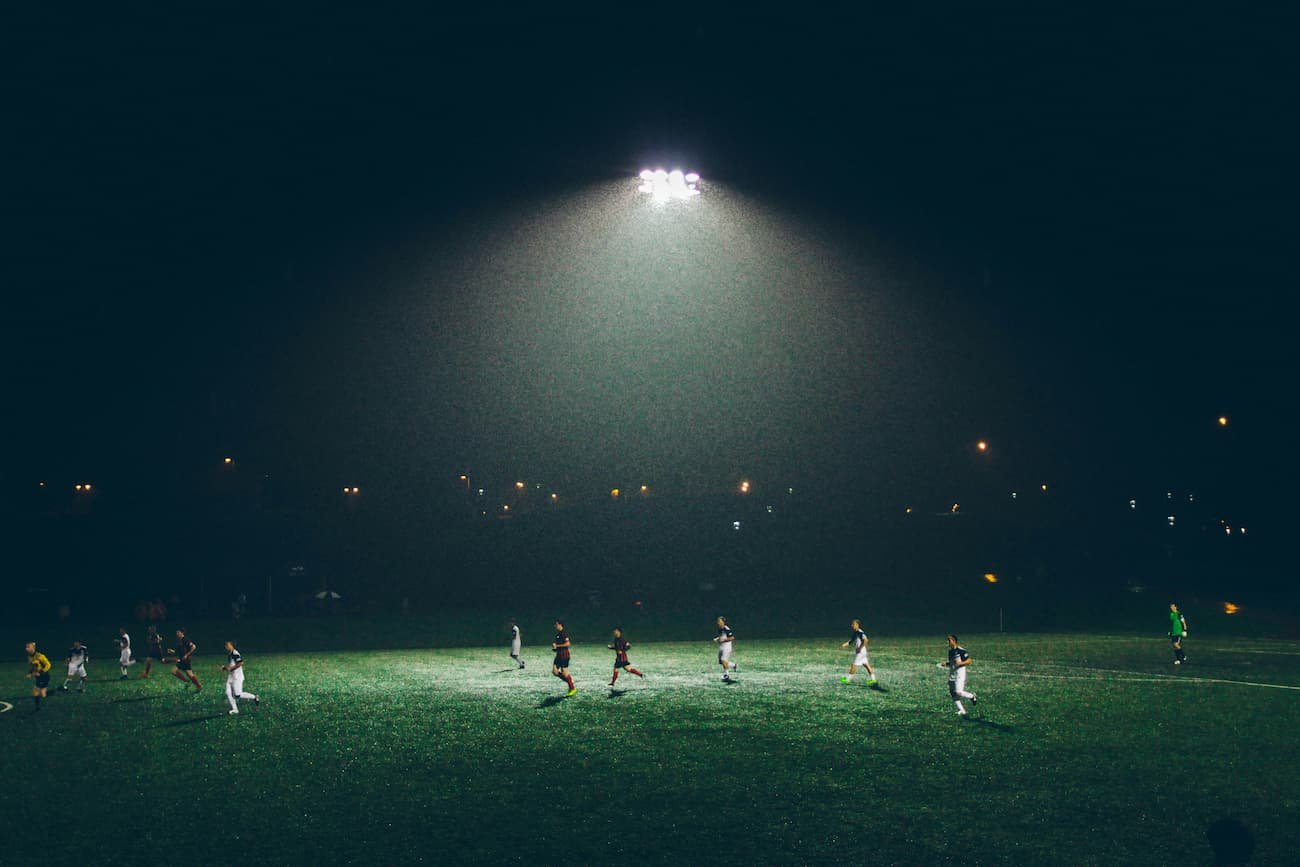
Who would you add to this list? Tell me in the comments — and if it was useful, send it to the friend who insists his left foot "works fine".
Your own weaker foot
The useful part is that the mechanism isn't reserved for professionals.
Cazorla's wall is available to you too, and it doesn't take a pitch — it takes deciding which side of your body you stopped using and putting it back to work. For the football-specific drills, start with what a two-footed player is. For the larger idea — training the weak side everywhere, not just in the box — start with how to become ambidextrous.
My book is the organised version of that wall: a starting assessment, graded exercises, and a day-by-day programme built for adults starting from nothing, without a coach waiting for them after training.
Brehme never knew which foot was his good one. Maybe you don't either. That's the good news.
